Begin with the level of assistance needed
The word caregiver can mean many different things. Some people need hands-on help with bathing, dressing, mobility, medication administration or other personal-care tasks. Those needs belong with an appropriate qualified care provider.
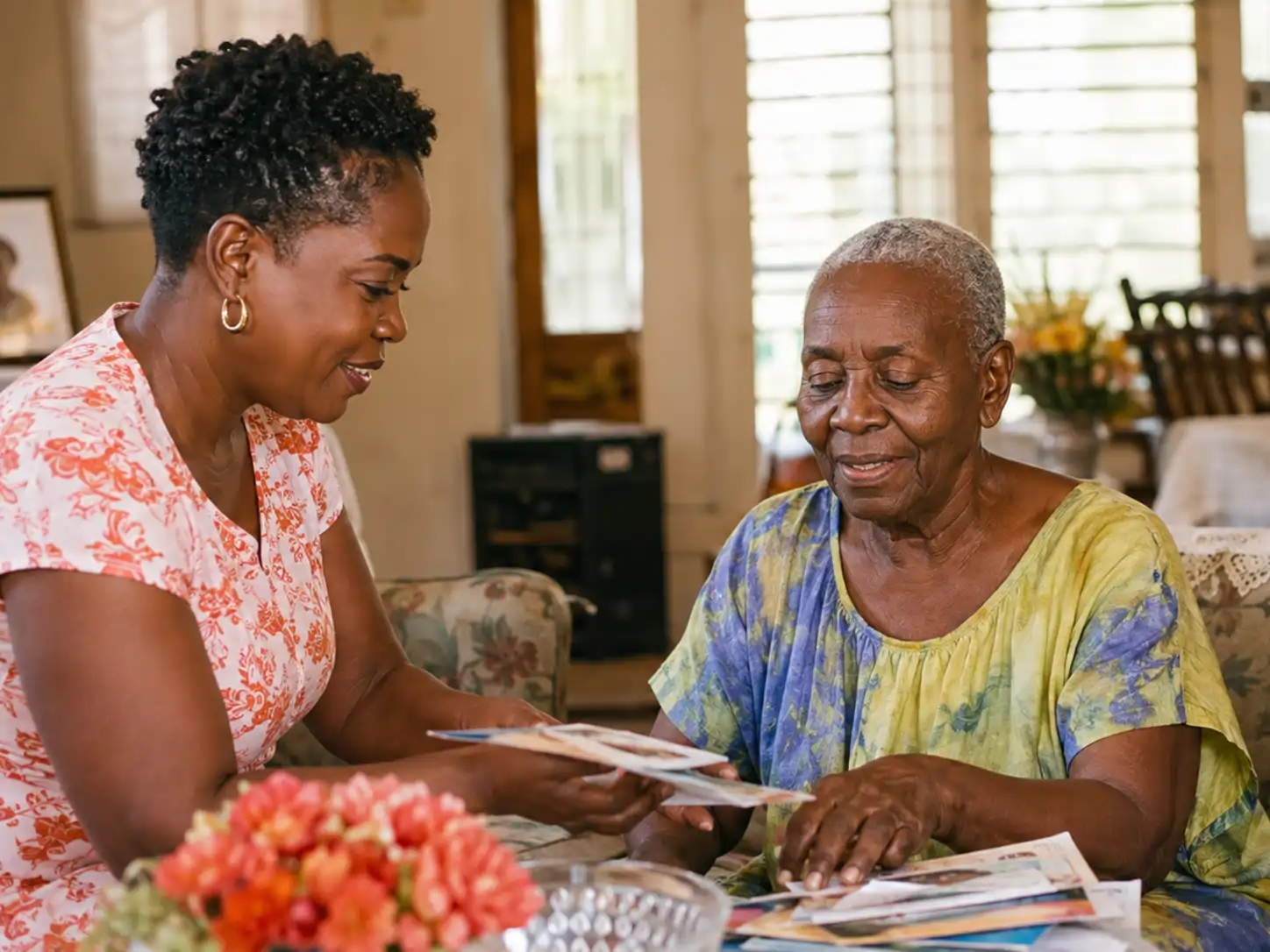
Other older adults remain independent with personal care and decision-making but find certain everyday tasks more difficult or tiring. They may benefit from a trusted person who can visit, run an errand, accompany an appointment or coordinate something locally.
Signs practical local support may be enough
A parent may be a good fit for non-medical support when they can manage their personal care and household decisions but would value company, occasional help with logistics or a reliable person to call for approved tasks.
Examples include needing groceries collected, wanting company for an appointment, preferring someone to be present when a contractor visits or simply appreciating a scheduled check-in.
Signs another level of care may be appropriate
If your parent needs hands-on assistance with personal hygiene, medication administration, clinical monitoring, transfers, wound care or continuous supervision, a family concierge service is not a substitute for professional care.
Families should also treat sudden confusion, falls, chest pain, breathing problems or other urgent concerns as matters for emergency or medical services rather than routine companion support.
Respect independence when adding help
Support is most successful when the older adult remains part of the decision. Explain what the helper will do, when visits will happen and what information may be shared with family. Avoid turning a small practical need into unnecessary loss of control.
The goal should be to make independent life easier, not to make every decision for the person receiving support.
Where Family Bridge fits
Family Bridge Jamaica provides founder-led, non-medical family concierge, companion support and practical local coordination. We do not provide emergency response, nursing, hands-on personal care, clinical decision-making, legal representation or other regulated professional services. When a request requires another provider, the appropriate professional should be involved.
Frequently asked questions
Questions families often ask
What is the difference between companion support and personal care?
Companion support focuses on presence, conversation and practical non-medical assistance. Personal care involves hands-on help with intimate daily activities and may require a dedicated care provider.
Can Family Bridge remind someone to take medication?
Family Bridge does not administer medication or provide clinical medication management. Any medication-related request must stay within the approved non-medical service boundary.
Can support increase later if needs change?
The Family Bridge scope can be reviewed, but tasks that become medical, personal-care, emergency or otherwise regulated must be handled by the appropriate provider.