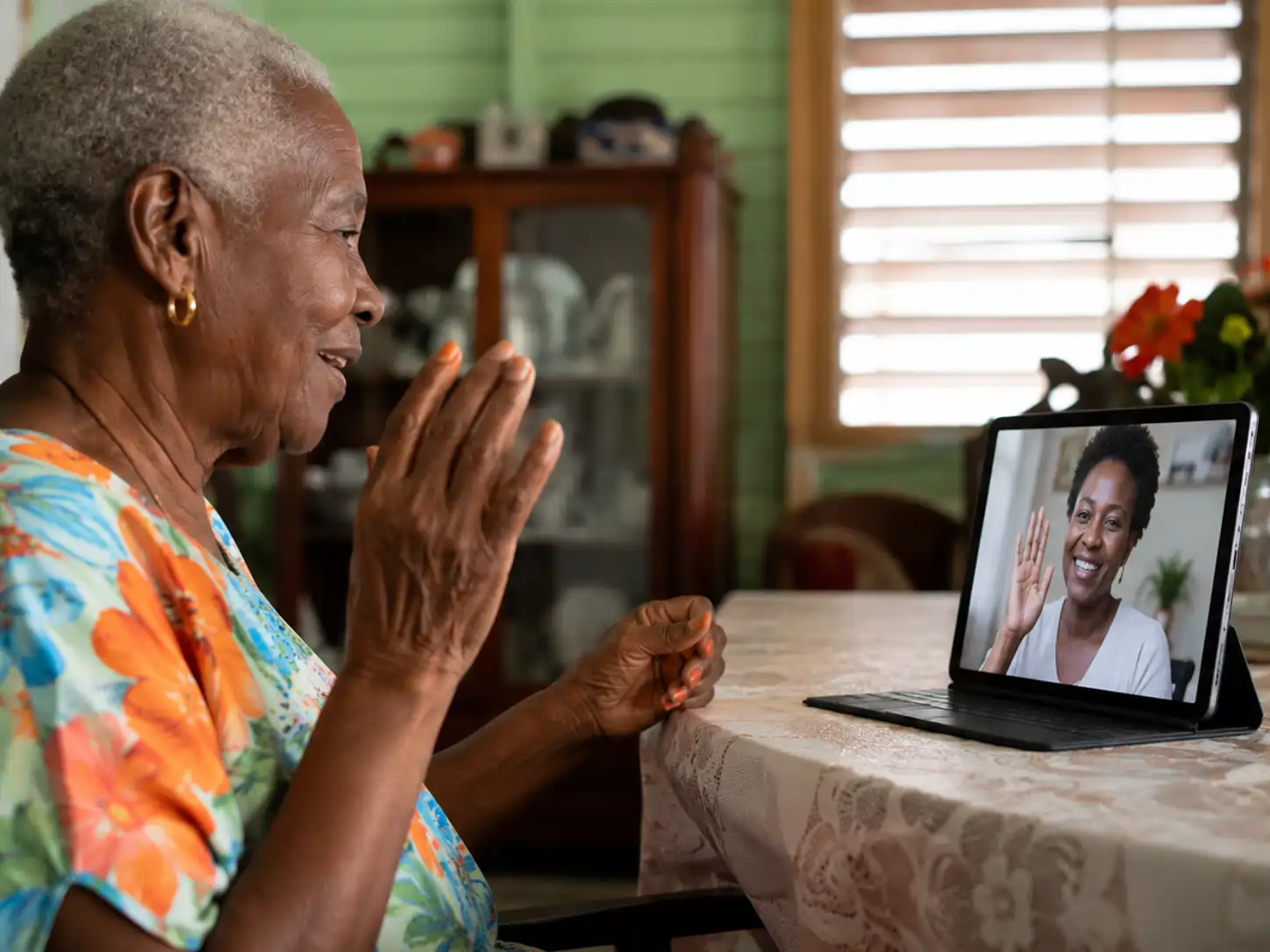
Start with what your parent actually wants
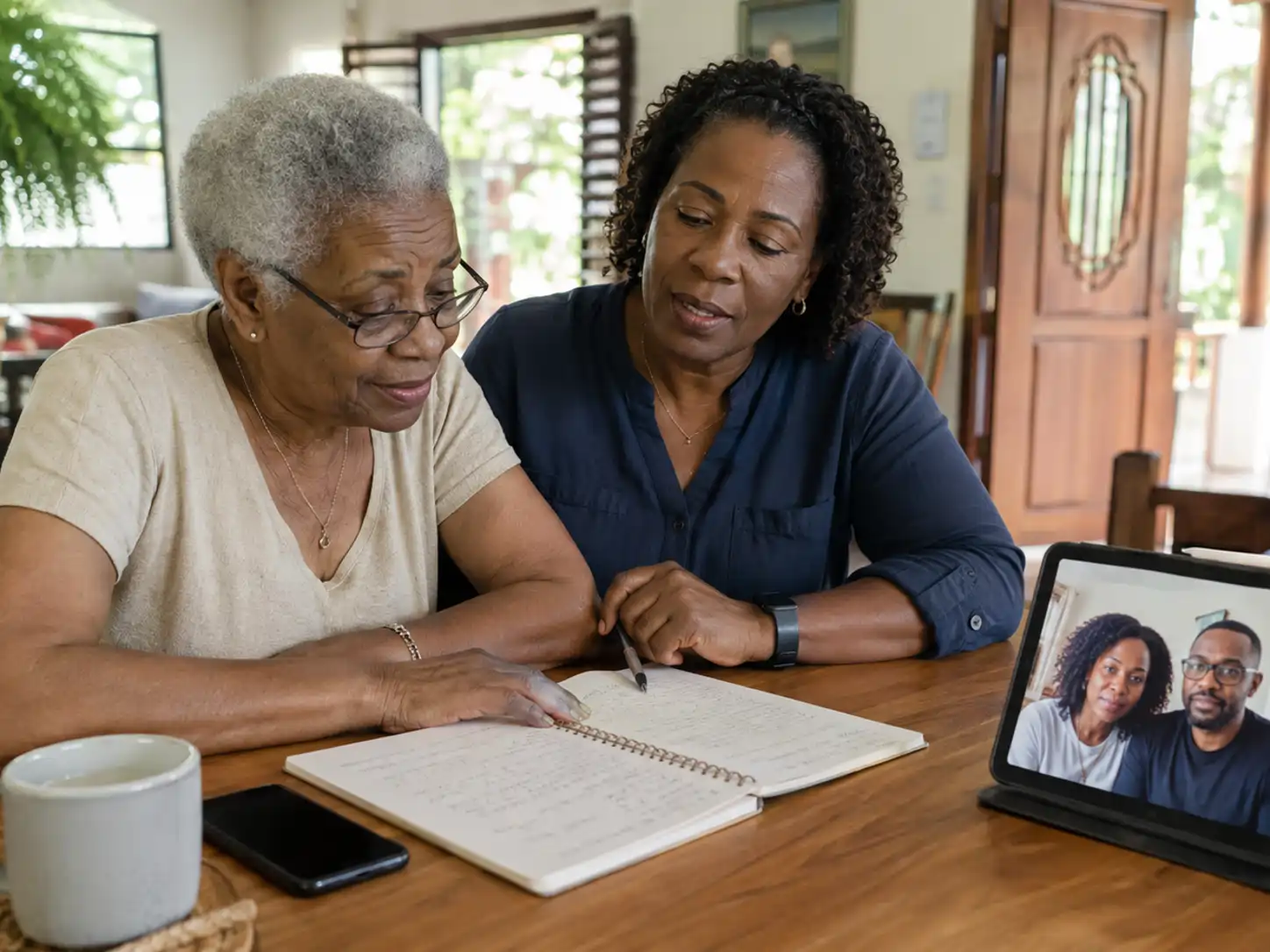
A useful support plan begins with conversation, not assumptions. Ask your parent what feels difficult, what they still prefer to handle independently and what kind of local help would make life easier rather than more intrusive.
For many older adults, the need is not full-time caregiving. It may be a reliable person to check in, collect groceries, accompany an appointment, coordinate a repair or confirm that an agreed task was completed. Keeping the scope specific helps preserve dignity and reduces confusion.
Create a simple local support network
Identify who can be physically present in Jamaica when you cannot. That may include trusted relatives, neighbours, established service providers and a dependable local coordinator. Record names, phone numbers, roles and what each person is authorized to do.
Avoid giving one person unrestricted responsibility for everything. A better approach is to define clear roles: who can enter the home, who can collect an item, who can accompany an appointment and who should be contacted when a decision is needed.
Keep practical information organized
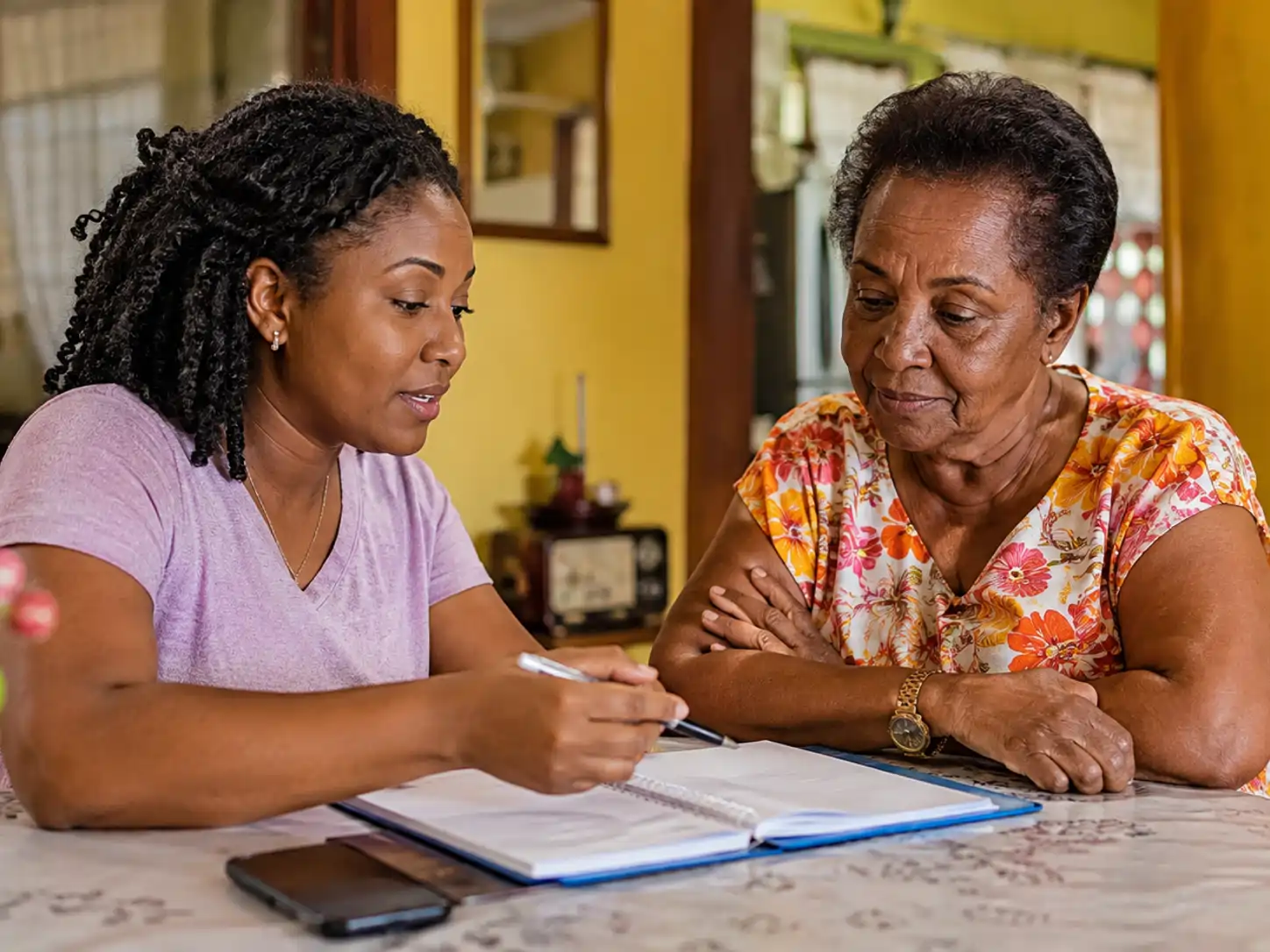
Maintain a current list of key contacts, preferred pharmacy, regular providers, important addresses, household access instructions and family decision-makers. Keep financial authorization narrow and documented. If a purchase is required, agree on the spending limit and how receipts will be handled.
Good organization reduces last-minute scrambling and makes it easier for a local helper to complete the task exactly as intended.
Use updates that are useful—not overwhelming
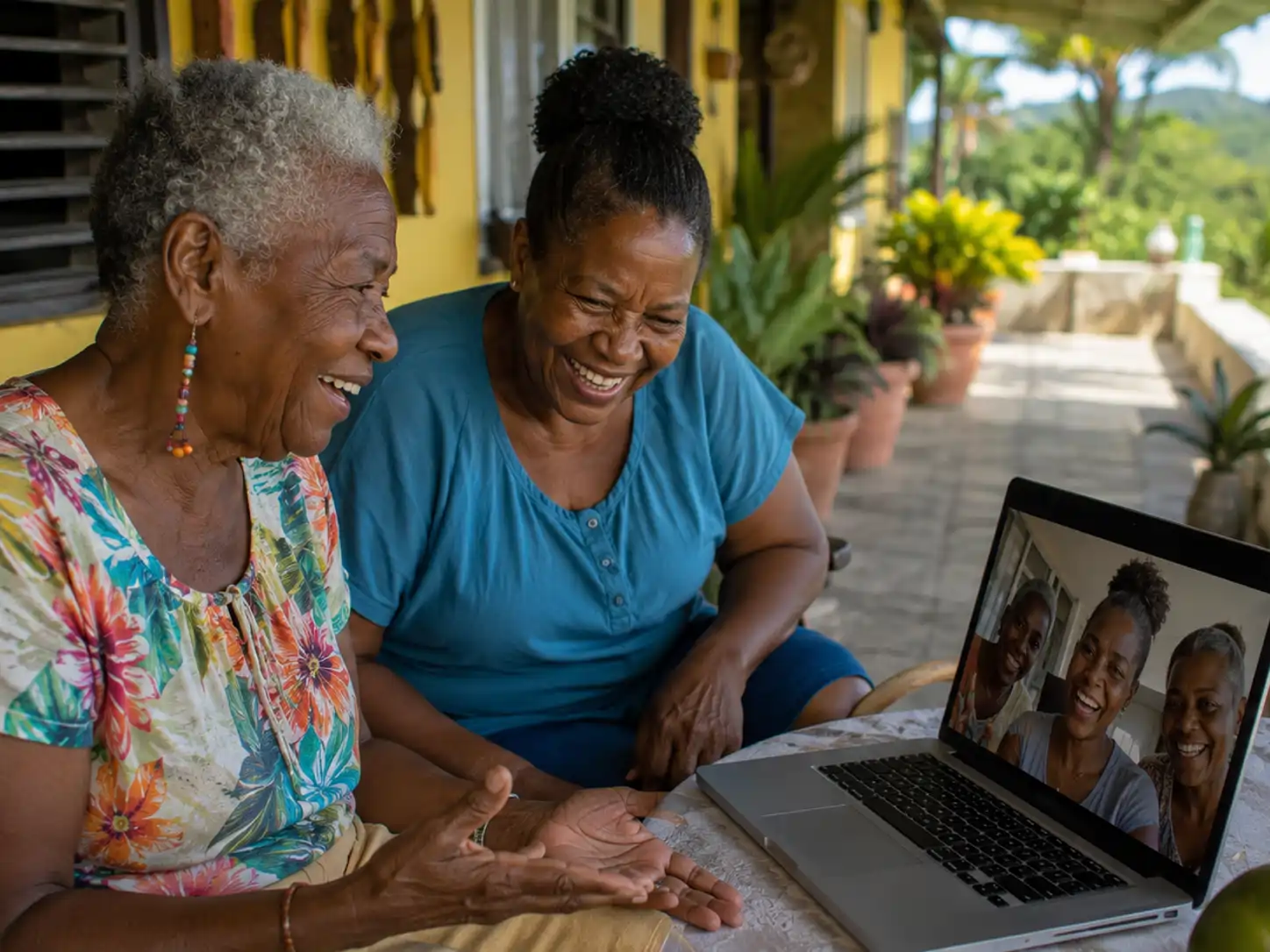
Families overseas often want reassurance, but constant messaging can become stressful for everyone. Agree on what should be reported after a visit or task. A concise update might confirm that the visit occurred, the agreed errand was completed and whether there is a practical follow-up.
Non-medical support should not be presented as a health assessment. When a situation requires clinical judgement, emergency response or another regulated professional, the right provider should be involved.
Build the plan before a crisis
The best time to identify local support is while your parent is still independent and able to participate fully in the decisions. Waiting for a sudden problem can force families to make choices quickly from thousands of miles away.
A modest plan—regular check-ins, known contacts and a clear authorization process—can make everyday support much easier and provide a better foundation if needs change later.
Where Family Bridge fits
Family Bridge Jamaica provides founder-led, non-medical family concierge, companion support and practical local coordination. We do not provide emergency response, nursing, hands-on personal care, clinical decision-making, legal representation or other regulated professional services. When a request requires another provider, the appropriate professional should be involved.
Frequently asked questions
Questions families often ask
Can Family Bridge Jamaica replace a caregiver?
No. Family Bridge provides non-medical family concierge, companion and practical local support. If someone needs hands-on personal care, nursing or clinical supervision, an appropriate care provider is required.
Can Family Bridge update family members overseas?
Yes, within the agreed authorization and service scope. Updates focus on the practical service completed and relevant next steps.
What if my parent lives outside the main service area?
Family Bridge primarily serves the Runaway Bay–Ocho Rios corridor in St. Ann. Other requests can be reviewed individually depending on distance, scope and availability.